Threat Intelligence
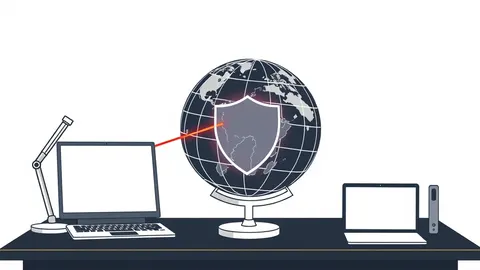
Is Port Scanning Illegal? Legal Boundaries and Technical Risks
Port scanning legality hinges on authorization and intent, not the technical act itself, making consent the primary legal shield against criminal prosecution.
Threat Intelligence coverage from Sandbox Gazette holds 15 articles, 15 of them reference guides. The newest was published on October 14, 2026. New stories are added as soon as they are confirmed, from more than 150 sources checked as often as every 45 seconds. Each story lists its sources. Primary sources we follow for this section include MITRE ATT&CK and MITRE D3FEND.
Port scanning legality hinges on authorization and intent, not the technical act itself, making consent the primary legal shield against criminal prosecution.

Default remote desktop configurations often grant administrative access to any authenticated user, creating a direct path for credential theft and lateral movement within your network.

Autonomous system numbers reveal the organizational owner of IP space, allowing analysts to attribute network activity to specific entities rather than isolated hosts.

YARA rules identify files by structural patterns rather than hashes, allowing detection of modified or obfuscated malware variants that signature scanners miss entirely.

Endpoint telemetry reveals hidden process chains that network logs miss, but high-fidelity data creates storage costs and privacy risks that require strict retention policies.

Most teams install SIEM for compliance, but the real value lies in connecting unrelated logs to reveal hidden lateral movement across your network.

YARA inspects static binary structures while Sigma analyzes structured event logs, creating a complementary detection layer that covers both file-based and behavioral threats.

The deep web is not a hidden criminal network but a vast collection of unindexed data that requires specific protocols to access and analyze effectively.

Automated response platforms often fail not because of bad code, but because they automate the wrong manual steps without first standardizing the underlying workflow.

Early detection relies on recognizing slow, quiet anomalies rather than loud alarms, because these threats prioritize long-term access over immediate disruption.
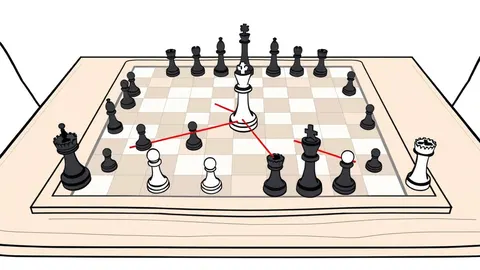
Strategic threat intelligence shifts focus from immediate technical fixes to long-term business risk, allowing leaders to allocate resources before attacks occur.

Attackers often bypass complex network defenses by tricking you into handing them the keys to your own desktop session directly.

Hacktivists target small firms not for data value, but for political signaling, creating disproportionate operational risks that standard security tools often miss.

Network authentication logs often hide pass-the-hash activity because they record successful logins without revealing the credential type used during the handshake.
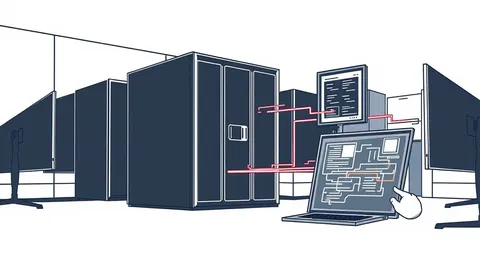
DCSync does not steal passwords; it replicates password hashes by impersonating a domain controller, bypassing traditional authentication defenses.