
Cyber Attacks
Can Password Managers Be Hacked? Risks and Mitigation
Password managers concentrate risk into one vault, so a breach exposes every account, but strong encryption and local key derivation keep data unreadable without the master key.
Cyber Attacks coverage from Sandbox Gazette holds 18 articles, 15 of them reference guides. The newest was published on October 14, 2026. New stories are added as soon as they are confirmed, from more than 150 sources checked as often as every 45 seconds. Each story lists its sources. Primary sources we follow for this section include UK National Cyber Security Centre and OWASP Foundation.
Password managers concentrate risk into one vault, so a breach exposes every account, but strong encryption and local key derivation keep data unreadable without the master key.
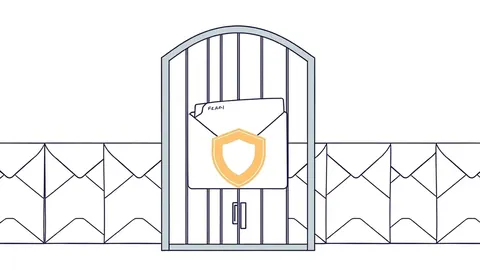
Domain authentication protocols verify message origin, but they do not protect against attackers who compromise legitimate accounts or harvest credentials through social engineering.
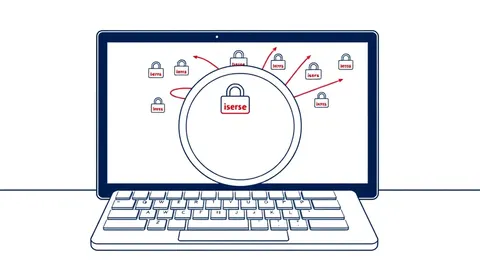
Monitoring domain registration patterns reveals impersonation attempts before users click malicious links, shifting defense from reaction to prevention.
Most login alert noise comes from legitimate automation, not attacks. Filtering by device fingerprint and geolocation reduces alert fatigue by orders of magnitude while catching real threats.

Invoice fraud often succeeds because financial verification relies on trust in email headers rather than cryptographic proof of the sender's identity.
Attackers exploit your trust in familiar logos and names to bypass technical filters, making human verification the final and most fragile line of defense.

Seoul National University disclosed 28 hacking incidents since 2021, with a single 2021 malware implant responsible for nearly all exposed personal records.

Bloomberg reports that artificial intelligence is supercharging a global scam industry now valued at ~$442 billion, exceeding the global cocaine trade.

Microsoft 365 Family subscribers will lose individual 1TB OneDrive allocations as the vendor prepares to shrink shared cloud storage limits significantly.
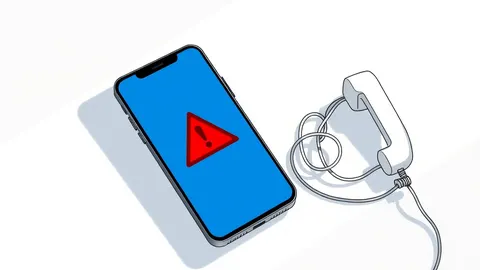
Attackers exploit urgency to bypass rational thought, making the absence of a valid support ticket the most reliable indicator of a fraud attempt.
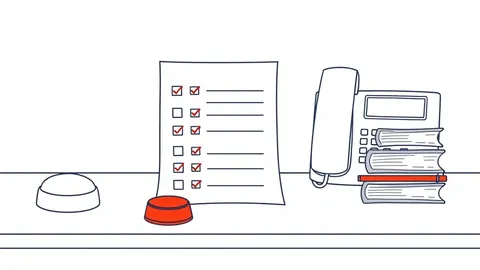
You can structure a resilient response workflow using standard frameworks and delegated tasks without hiring a dedicated security staff.

DKIM proves message integrity but fails to verify the sender, leaving your domain vulnerable to spoofing unless paired with other protocols.

Attackers bypass weak defenses by exploiting human habits and unpatched third-party tools, not by cracking complex encryption algorithms.

Zero trust architecture eliminates implicit trust by verifying every access request, ensuring that a breach in one segment does not automatically grant access to the entire network.

Secure email gateways filter traffic before it reaches your inbox, but they cannot verify the intent behind messages that pass cryptographic checks.

Attackers mimic trusted voices to move money, exploiting the gap between human trust and automated security checks.
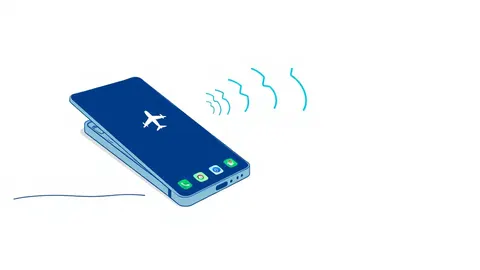
Leaving Bluetooth on while unpaired exposes your device to tracking and data theft, even when no connection is visible.
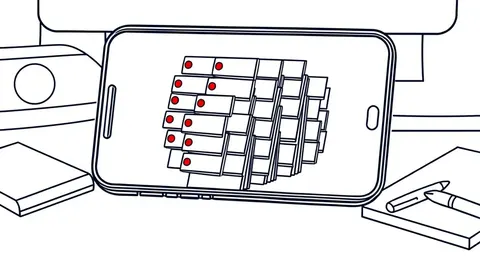
Attackers exploit the human urge to stop annoying notifications by spamming approval requests until you accept out of frustration.