Malware & Ransomware coverage from Sandbox Gazette holds 13 articles, 12 of them reference guides. The newest was published on October 13, 2026. New stories are added as soon as they are confirmed, from more than 150 sources checked as often as every 45 seconds. Each story lists its sources. Primary sources we follow for this section include CISA: Stop Ransomware and MITRE ATT&CK.
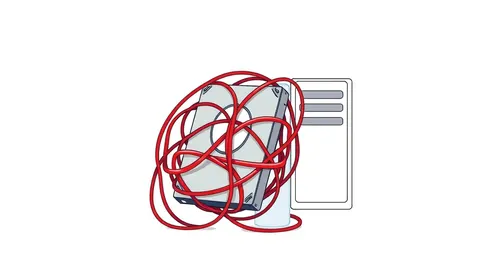
Effective ransomware response stops the spread before encryption completes, preserving critical data and reducing operational downtime through structured isolation.
Legitimate binaries often hide malicious payloads in memory or side channels, bypassing static file hashing and traditional signature-based scanning entirely.
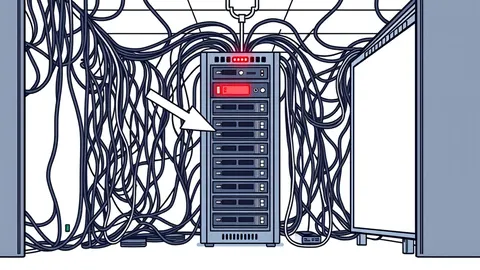
Most teams fail because they focus on decryption before isolating the network, allowing the malware to spread to backup systems and destroy recovery options.
Legitimate remote support software often hides in plain sight, using standard network ports to exfiltrate data before any ransomware payload activates.
The modular structure of ransomware-as-a-service shifts the attack burden to low-skill affiliates, making initial access brokers the true bottleneck for defenders.
Attackers bypass perimeter defenses by turning authorized remote support software into a direct pipeline for lateral movement and data exfiltration within your network.