Threat Intelligence
Is Port Scanning Illegal? Legal Boundaries and Technical Risks
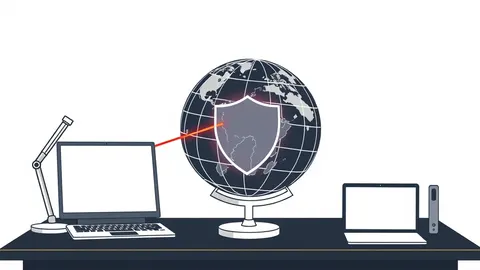
Port scanning legality hinges on authorization and intent, not the technical act itself, making consent the primary legal shield against criminal prosecution.
Everything Sandbox Gazette has reported about threat detection: 10 stories, newest first. Part of our Threat Intelligence coverage.
Port scanning legality hinges on authorization and intent, not the technical act itself, making consent the primary legal shield against criminal prosecution.

YARA rules identify files by structural patterns rather than hashes, allowing detection of modified or obfuscated malware variants that signature scanners miss entirely.

Endpoint telemetry reveals hidden process chains that network logs miss, but high-fidelity data creates storage costs and privacy risks that require strict retention policies.

Most teams install SIEM for compliance, but the real value lies in connecting unrelated logs to reveal hidden lateral movement across your network.

Machine learning models fail when training data lacks the specific attack patterns they face in production, creating blind spots that rule-based systems miss entirely.

Machine learning amplifies existing data flaws, turning minor noise into catastrophic false positives if you ignore model drift and feedback loops.

Early detection relies on recognizing slow, quiet anomalies rather than loud alarms, because these threats prioritize long-term access over immediate disruption.

Secure email gateways filter traffic before it reaches your inbox, but they cannot verify the intent behind messages that pass cryptographic checks.

Sandboxing isolates code execution to contain threats, but sophisticated malware detects containment and alters its behavior to evade analysis.
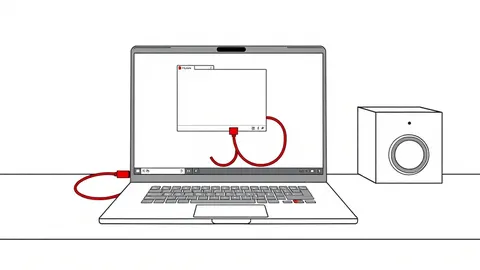
Attackers bypass perimeter defenses by turning authorized remote support software into a direct pipeline for lateral movement and data exfiltration within your network.