Data Breaches
What Is User Provisioning: The Hidden Access Risk
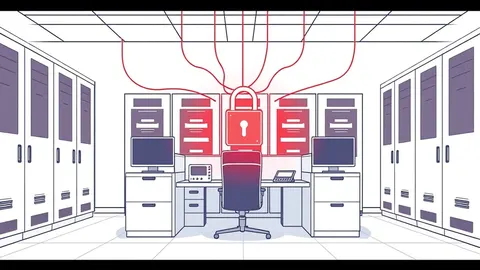
User provisioning errors create invisible entry points that attackers exploit long after the initial breach detection, often bypassing perimeter defenses entirely.
Data Breaches coverage from Sandbox Gazette holds 10 articles, 10 of them reference guides. The newest was published on October 11, 2026. New stories are added as soon as they are confirmed, from more than 150 sources checked as often as every 45 seconds. Each story lists its sources. Primary sources we follow for this section include Have I Been Pwned and NIST Cybersecurity Framework.
User provisioning errors create invisible entry points that attackers exploit long after the initial breach detection, often bypassing perimeter defenses entirely.
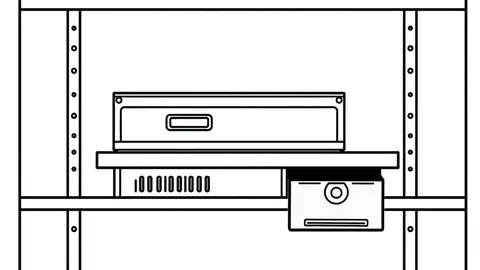
Archives preserve history with minimal access while backups ensure immediate recovery from deletion or corruption, serving two distinct operational goals.

SOC 2 proves you meet customer trust requirements while ISO 27001 validates your internal management system against a global benchmark.

Encrypting the email body protects content in transit, but it leaves the subject line and metadata exposed to inspection by intermediaries.
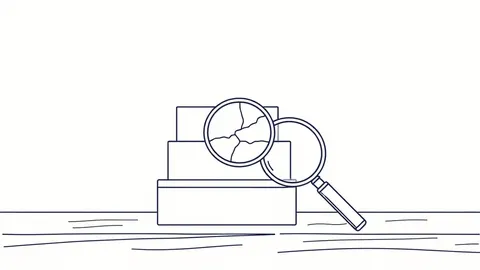
Your security posture is only as strong as the weakest vendor you trust, and most teams fail to verify how partners handle data before a breach occurs.
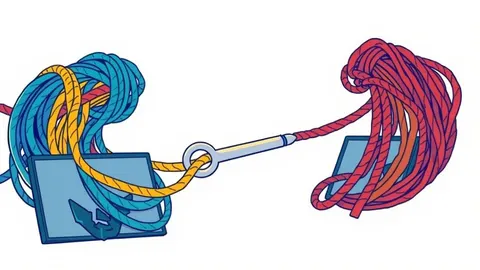
Credential stuffing attacks bypass traditional defenses by exploiting the fact that users rarely change passwords after a breach, making detection impossible without external data.

Financial alerts often fail to trigger for minors because they lack active credit history, allowing fraud to persist until collateral damage occurs.
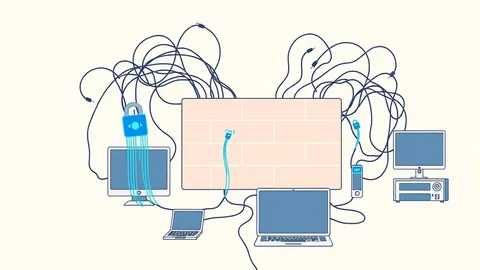
Unapproved apps often bypass security controls, creating hidden channels where sensitive data escapes without triggering any alerts or logs.

Certification audits often fail not because of weak security controls, but because documentation does not match actual daily operations.

Move beyond checkbox compliance to assess actual vendor control effectiveness, data exposure, and contractual leverage for your supply chain.