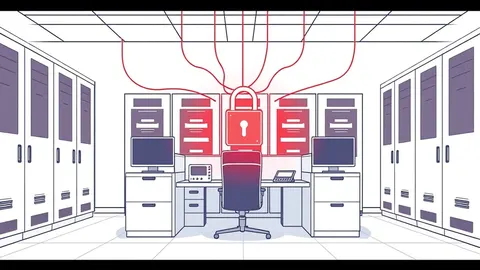
Password leaks occur when databases are exposed and reused across services. You cannot prevent this alone. You must assume every password is compromised, enforce unique credentials per site, and use continuous monitoring to detect usage before attackers gain access.
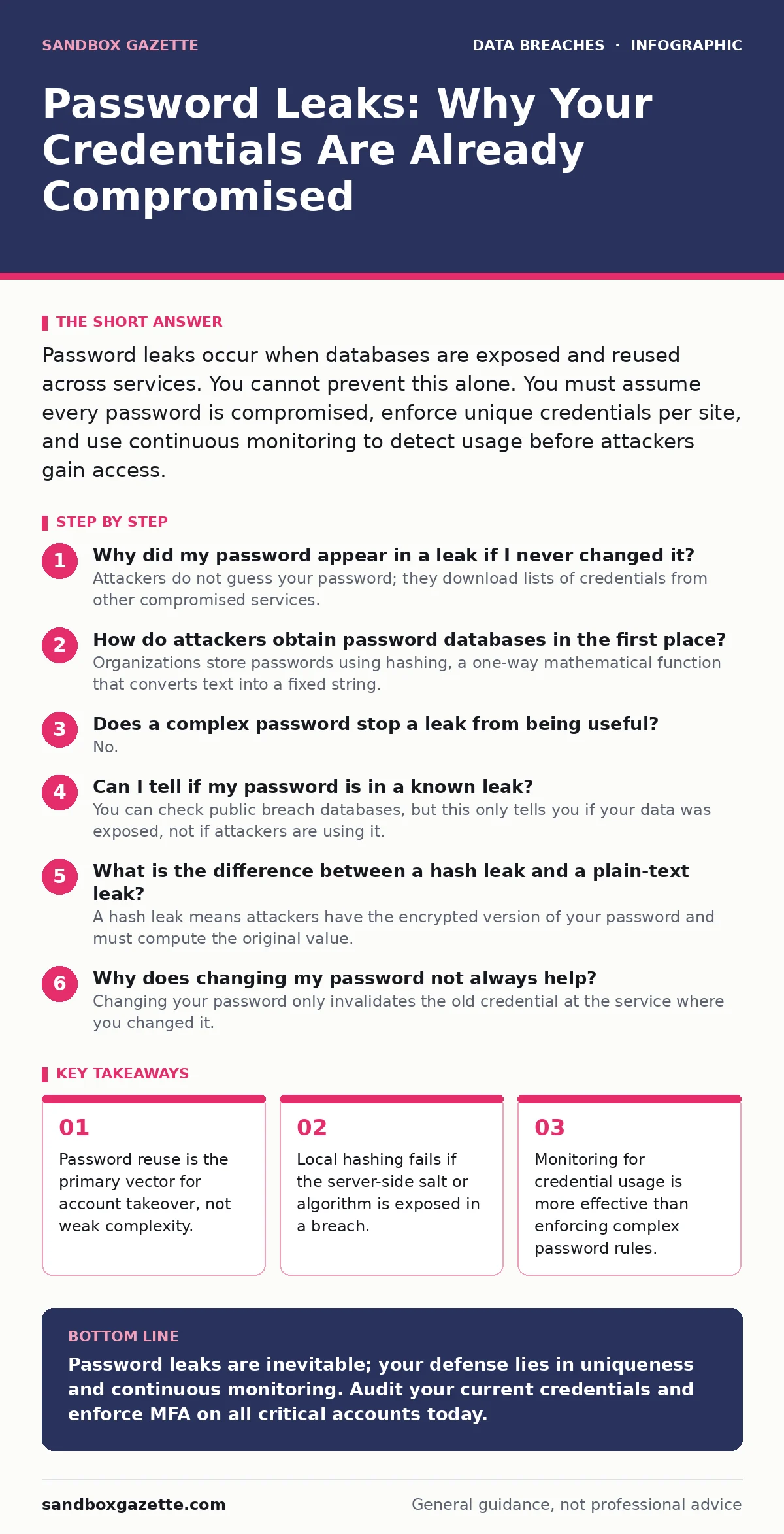
Why did my password appear in a leak if I never changed it?
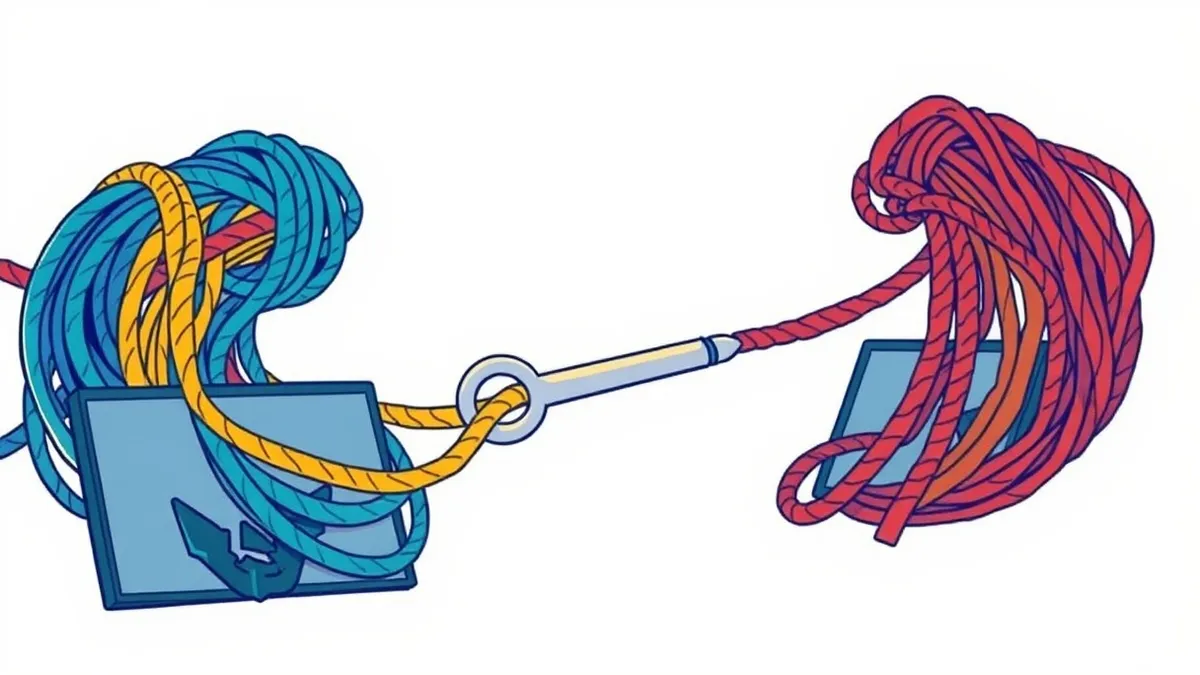
Attackers do not guess your password; they download lists of credentials from other compromised services. Because most people reuse passwords across multiple platforms, a breach at one company exposes your accounts at others. This method, known as credential stuffing, relies on the statistical likelihood that you used the same combination elsewhere.
The attack succeeds because authentication systems typically accept valid username-password pairs without verifying if the credential was recently compromised. You remain vulnerable until the attacker successfully logs in, often triggering no immediate alert.
How do attackers obtain password databases in the first place?
Organizations store passwords using hashing, a one-way mathematical function that converts text into a fixed string. However, if attackers breach the database, they steal these hashes, not the raw passwords. They then use powerful hardware to run billions of guesses through the same hash function until the output matches.
If the organization used a weak hashing algorithm or failed to add a unique random value called a salt, attackers can use precomputed tables to reverse the process instantly. This turns a secure storage method into a plain-text list of credentials.
Does a complex password stop a leak from being useful?
No. Complexity helps against guessing attacks but does nothing against a stolen hash if the algorithm is weak. If an attacker obtains your hashed password, they can crack it regardless of how many symbols you included. The strength lies in the uniqueness of the password, not its difficulty to type.
A long, random passphrase is harder to crack via brute force than a short complex password. However, if you reuse that passphrase, the leak renders it useless everywhere. Uniqueness is the only defense that breaks the chain of credential stuffing.
Can I tell if my password is in a known leak?
You can check public breach databases, but this only tells you if your data was exposed, not if attackers are using it. These databases aggregate credentials from past incidents, creating a map of known compromises. Finding your email there confirms the data left the original server.
It does not confirm active exploitation. An attacker might have your credentials but not yet attempted to use them. Relying solely on static databases misses the window where attackers are actively testing your credentials against other services.
What is the difference between a hash leak and a plain-text leak?
A hash leak means attackers have the encrypted version of your password and must compute the original value. A plain-text leak means the organization stored passwords without encryption, giving attackers immediate access. Plain-text leaks are far more dangerous because they require no computational effort to exploit.
Organizations that store plain-text passwords violate basic security standards and expose users to immediate risk. Even if you change your password, the old one remains valid until the attacker discovers it, leaving a wide window for account takeover.
| Leak Type | Data Obtained | Effort to Crack | Immediate Risk |
|---|---|---|---|
| Plain-Text | Actual password | None | High |
| Weak Hash | Encrypted string | Low (precomputed tables) | Medium |
| Strong Hash | Encrypted string | High (brute force) | Low |
See also: SOC 2 vs ISO 27001: Which Standard Fits Your Security Posture · Email Encryption Best Practices for Secure Data Exchange
Why does changing my password not always help?
Changing your password only invalidates the old credential at the service where you changed it. If you reused that password elsewhere, those other accounts remain compromised. Attackers often automate the process of testing leaked credentials across hundreds of services simultaneously.
If you do not change the password at the other services, the attacker retains access. You must identify every service where you used the compromised credential and update it. This is why password managers are critical; they generate unique passwords that limit the blast radius of any single leak.
How do attackers use leaked passwords to bypass multi-factor authentication?
Many multi-factor authentication (MFA) methods are vulnerable to session hijacking or SIM swapping. If an attacker has your password, they can trigger an MFA challenge. If they can intercept the code via SMS or manipulate your phone number, they bypass the second factor.
Some services remember devices that have successfully authenticated, allowing attackers to add their own device to your account. This creates a persistent backdoor that survives password changes. This risk highlights why SMS-based MFA is inferior to hardware keys or authenticator apps.
What is credential stuffing and how do I stop it?
Credential stuffing is the automated testing of leaked username-password pairs against login forms. Attackers use bots to try thousands of combinations per minute, looking for matches. If a match is found, they gain immediate access without needing to crack the password.
You cannot stop this at the user level entirely. Services must implement rate limiting and anomaly detection to block automated login attempts. For you, the only defense is unique passwords and enabling MFA, which adds a barrier even if the password is correct.
Does zero trust security prevent password leak exploitation?
Zero trust security assumes no user or device is trustworthy by default, requiring verification for every access request. This model limits the damage of a leaked password because access is granted on a need-to-know basis for short durations. Even with valid credentials, an attacker cannot move laterally without additional verification.
Implementing zero trust reduces the value of stolen credentials. It does not prevent the leak itself, but it minimizes the attack surface available to the attacker. This approach complements password hygiene by adding layers of verification that credentials alone cannot bypass.
Key takeaways
- Password reuse is the primary vector for account takeover, not weak complexity.
- Local hashing fails if the server-side salt or algorithm is exposed in a breach.
- Monitoring for credential usage is more effective than enforcing complex password rules.
Password leaks are inevitable; your defense lies in uniqueness and continuous monitoring. Audit your current credentials and enforce MFA on all critical accounts today.
Frequently asked questions
Should I change all my passwords immediately?
Only change passwords for accounts where you suspect a breach or where you reused credentials. Changing all passwords at once is inefficient and often unnecessary if you use unique passwords.
How long does it take for a leaked password to be used?
Attackers often test credentials within hours of a breach being public. Automated scripts run continuously, so the window for action is very short.
Are password managers safe from leaks?
Password managers store encrypted data. If the manager is breached, attackers get the encrypted vault, not the raw passwords. You are safe unless your master password is weak or reused.
Can I remove my data from breach databases?
No. Once data is on the dark web or public forums, it is replicated infinitely. You cannot delete it; you can only mitigate the risk by changing credentials and monitoring for misuse.
How this guide was produced: written by the Sandbox Gazette editorial team with AI assistance, checked against the public references listed below, and reviewed when the facts change. See our editorial policy or report an error.