Vulnerabilities
How Privasys RA-TLS Clients Let Attackers Spoof Secure Enclave Connections
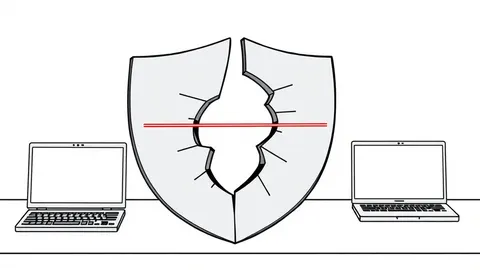
A critical flaw in older Privasys RA-TLS clients allows attackers to relay valid enclave quotes, bypassing security checks until version 0.5.0.
A critical flaw in older Privasys RA-TLS clients allows attackers to relay valid enclave quotes, bypassing security checks until version 0.5.0.

A critical flaw in TinaCMS versions prior to 3.14.0 allows attackers to hijack admin sessions through manipulated preview links, granting full content control.
A CVSS 9.8 deserialization bug in ThemeREX Smash up to version 1.12.0 permits object injection and potential remote code execution on affected sites.

The WPCOM Member plugin for WordPress allows unauthenticated attackers to impersonate any user, including administrators, by bypassing security controls in versions up to 1.7.27.
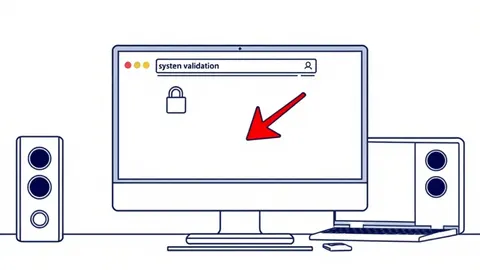
Sanitizing input strings is insufficient because operating systems interpret file paths differently than application logic, allowing attackers to bypass surface-level checks.
Hardening reduces the attack surface by removing unnecessary services, making systems resilient even when patch management lags or zero-day exploits appear.

N-day attacks exploit known flaws because defenses often rely on signature detection that misses modified payloads or delayed remediation windows.

Treating all incoming data as hostile prevents logic errors that bypass encryption and firewall rules, turning untrusted streams into safe operations.

CVE identifiers are stable labels for flaws, not measures of severity, meaning a high CVE number does not indicate a more dangerous security risk to your systems.
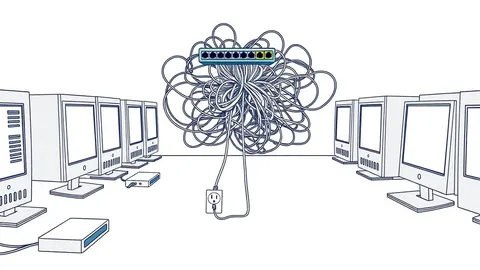
Most patch failures stem from inadequate change control rather than technical flaws, turning routine updates into system instability events that bypass security controls.

Unauthenticated attackers can run arbitrary container images and seize control of managed edge clusters in specific IBM Guardium versions.

Sipay PrestaShop Virtual POS Module versions below 26.9.1 contain a critical vulnerability allowing attackers to spoof cryptographic signatures.

A critical flaw in IBM Guardium Data Protection versions 12.0 through 12.2 allows remote attackers to execute arbitrary code without authentication.
A critical vulnerability in IBM Guardium allows remote attackers to execute unauthorized SQL commands on affected versions.

AWS confirms a heap out-of-bounds read in coreMQTT MQTT5 property parsing, posing risks to embedded systems using the library.