Key points
- The flaw is rated Critical with a CVSS score of 9.8 by the National Vulnerability Database.
- It affects IBM Guardium Data Protection versions 12.0, 12.1, and 12.2.
- The issue stems from SQL injection weaknesses, classified as CWE-89.
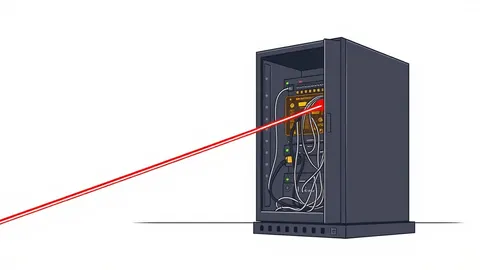
A severe security flaw in IBM’s data protection software could allow attackers to run unauthorized database commands from a remote location. The National Vulnerability Database (NVD) has assigned the issue CVE-2026-80381 and rated it as Critical. This rating reflects the high potential for damage if an attacker successfully exploits the weakness.
The vulnerability exists in IBM Guardium Data Protection, a tool widely used to monitor and protect sensitive data in databases. According to NVD records, the flaw is present in versions 12.0, 12.1, and 12.2. The core issue is SQL injection, a common web security vulnerability where an attacker interferes with the queries an application makes to its database. In this case, the injection allows for the execution of unauthorized SQL statements.
By the numbers
- 9.8: The CVSS base score assigned by the NVD, indicating a Critical severity level.
- 3: The number of affected major version lines (12.0, 12.1, and 12.2) of IBM Guardium Data Protection.
- CWE-89: The Common Weakness Enumeration identifier for SQL Injection, the specific technical weakness involved.
What the figures mean
A CVSS score of 9.8 is near the maximum possible rating. This indicates that the vulnerability is easily exploitable and requires no user interaction or special privileges to trigger, according to standard scoring metrics. The fact that three consecutive versions of the software are affected suggests the flaw was present in the codebase for a period before being identified.
SQL injection remains one of the most dangerous web application vulnerabilities. When successful, it can allow an attacker to read, modify, or delete data in the backend database. In the context of a data protection tool like Guardium, this is particularly concerning because the system itself is designed to secure sensitive information. If the guardian is compromised, the data it protects becomes vulnerable to extraction or manipulation.
What to watch
Security teams should immediately inventory their environments to determine if they are running any of the affected Guardium versions. The NVD record explicitly lists versions 12.0, 12.1, and 12.2 as vulnerable. Organizations should monitor network traffic for unusual database queries that might indicate an exploitation attempt.
Since the vulnerability allows for remote exploitation, attackers do not need physical access to the system. They can potentially target the application from outside the organization’s network. Teams should also watch for official announcements from IBM regarding patches or workarounds. Until a fix is confirmed, the risk remains elevated for any unpatched instance.
What to do and how to stay safe: IBM Guardium
- Audit your environment to identify any instances of IBM Guardium Data Protection versions 12.0, 12.1, or 12.2.
- Restrict network access to the Guardium management interface to trusted IP addresses only, reducing the attack surface for remote exploitation.
- Monitor database logs for unexpected SQL commands or unusual query patterns that could indicate an injection attempt.
- Once the vendor provides an update, apply the patch immediately to resolve the SQL injection vulnerability.
Step-by-step guide: Patch Management Implementation: A Step-by-Step Rollout Plan
General security guidance from the Sandbox Gazette newsroom. It is not confirmed advice from the organisations named in this story.
Frequently asked questions
What is CVE-2026-80381?
It is a critical SQL injection vulnerability in IBM Guardium Data Protection that allows remote attackers to execute unauthorized SQL statements.
Which versions of IBM Guardium are affected?
Versions 12.0, 12.1, and 12.2 of IBM Guardium Data Protection are affected by this vulnerability.
How severe is this vulnerability?
The NVD rates it as Critical with a CVSS score of 9.8 due to the ease of remote exploitation and potential impact.