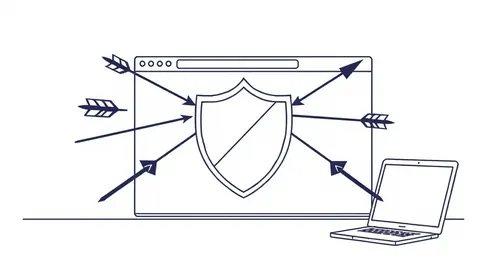
Secure JSON Web Tokens by enforcing short expiration times, validating signatures against known public keys, and restricting algorithm choices. Small organizations reduce risk by auditing token handling logic and ensuring identity providers rotate secrets regularly without manual intervention.
Why Small Organizations Are Exposed to Token Flaws
Small organizations often rely on pre-built libraries and default configurations to accelerate development. These defaults frequently prioritize ease of use over security. A JSON Web Token is a compact, URL-safe means of representing claims to be transferred between two parties. The token contains a header, a payload, and a signature. The signature verifies that the message has not been tampered with. When teams skip manual review of library settings, they inherit hidden risks.
The exposure stems from three main factors. First, developers may not understand the cryptographic implications of algorithm negotiation. Second, operational constraints lead to long token lifespans to reduce user friction. Third, limited resources mean fewer eyes on the code to spot logic errors in validation routines. These factors combine to create persistent vulnerabilities that remain dormant until exploited.
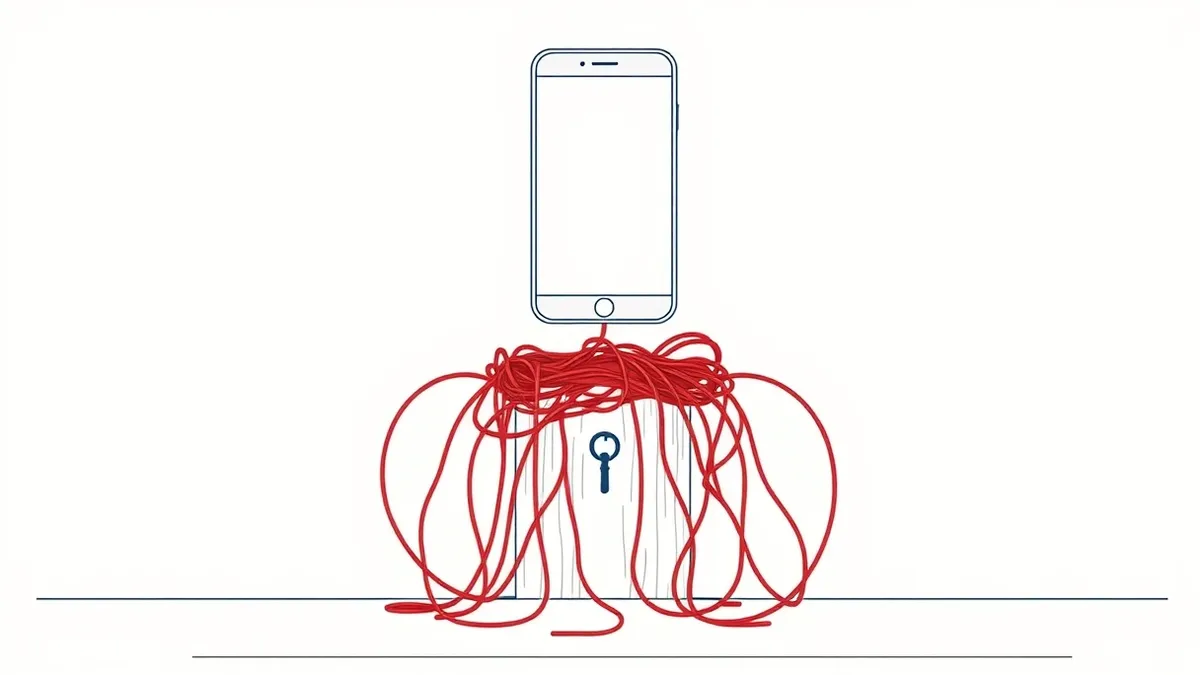
The Hidden Cost of Default Configurations
Many libraries allow the client to specify the signing algorithm in the token header. This feature supports flexible deployments but introduces a critical risk. If the server accepts the algorithm specified by the client, an attacker can change the algorithm to none or a weak symmetric key. This is known as algorithm confusion. The server then validates the token using the weaker method, accepting a forged signature as legitimate.
This vulnerability persists because it is not a bug in the code logic but a misconfiguration of trust. The application trusts the token structure without verifying the signing method against a strict allowlist. You must configure the server to expect only one specific algorithm. Rejecting tokens with unexpected algorithms prevents forgery attempts before the signature check even occurs.
Signature Verification and Algorithm Locking
The signature component of a JSON Web Token ensures data integrity. It is created by signing the header and payload with a secret key or private key. Verification requires the server to recompute this signature and compare it to the one in the token. If they match, the token is authentic. If they do not, the token is rejected.
You must lock the expected algorithm in your server configuration. Do not read the algorithm from the token header. Instead, hardcode the expected algorithm in your application settings. This prevents attackers from injecting a different algorithm. For example, if your system uses RS256, the server should only accept RS256. Any other algorithm results in immediate rejection. This simple check blocks the most common forgery techniques.
Token Expiration and Session Management
JSON Web Tokens are stateless. This means the server does not store session information. The token itself contains all necessary data. This design improves scalability but creates a challenge for revocation. Once a token is issued, it remains valid until its expiration time. If a user’s credentials are compromised, the attacker can use any valid token until it expires.
Short expiration times mitigate this risk. Set tokens to expire after a short period, such as fifteen minutes. When the token expires, the user must obtain a new one. This refresh process allows you to check if the user is still authorized. You can revoke access by refusing to issue new tokens. This approach balances security with usability, limiting the window for abuse without forcing constant logins.
Claim Validation and Privilege Escalation
The payload of a JSON Web Token contains claims. These are statements about the user, such as their role or permissions. Applications often read these claims to make authorization decisions. If the application trusts claims without verifying their source, an attacker can modify them. This leads to privilege escalation.
You must validate claims against a trusted source. Do not trust roles or permissions embedded in the token if they can be modified by the user. Instead, use the token to identify the user and fetch their current permissions from a database. This ensures that changes in user status are reflected immediately. It also prevents attackers from crafting tokens with elevated privileges.
See also: Out-of-Bounds Write Vulnerabilities: Risks and Protection for Small Teams · How Vulnerability Chaining Works: The Mechanics of Multi-Step Exploits
Protection Strategies for Limited Resources
Small teams need low-cost protections that integrate easily into existing workflows. The following table outlines effective measures.
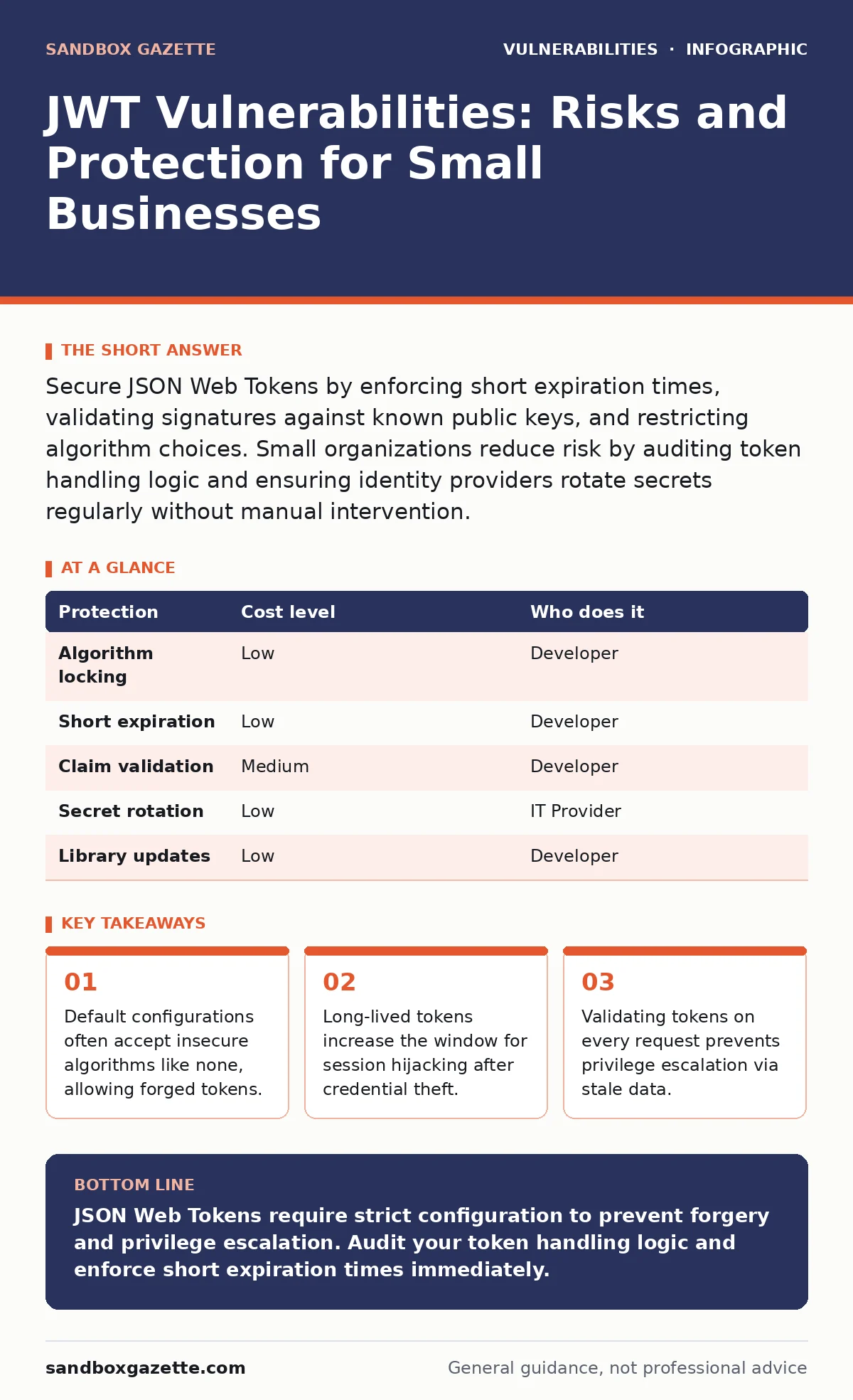
| Protection | Cost level | Who does it |
|---|---|---|
| Algorithm locking | Low | Developer |
| Short expiration | Low | Developer |
| Claim validation | Medium | Developer |
| Secret rotation | Low | IT Provider |
| Library updates | Low | Developer |
Implementing these controls requires minimal effort. Algorithm locking is a configuration change. Short expiration is a setting adjustment. Claim validation requires refactoring authorization logic. Secret rotation ensures that compromised keys become useless quickly. Library updates patch known vulnerabilities in the underlying code.
What to Ask an IT Provider
When engaging an IT provider, specific questions reveal their understanding of token security. Do not ask generic questions about security. Ask about implementation details.
- Do you enforce a specific signing algorithm on the server side?
- How do you handle token revocation for compromised accounts?
- What is the maximum lifetime of an access token?
- Do you validate the issuer claim to prevent cross-service attacks?
- How often are signing secrets rotated?
These questions ensure the provider follows best practices. They also highlight any gaps in their security posture. A competent provider will explain their approach clearly. They will not rely on default settings or vague assurances.
Integrating with Broader Security Practices
Token security does not exist in isolation. It connects to other areas of your security posture. Proper patch management ensures that libraries handling tokens are up to date. An asset inventory for patching helps you track which systems use tokens. Dependency confusion attacks can compromise the libraries you rely on, so verify package sources.
Regular expression denial of service (ReDoS) can affect token parsing if inputs are not validated. Prototype pollution can allow attackers to inject properties into token objects. Open redirect vulnerabilities can be chained with token flows to phish credentials. Path traversal vulnerabilities can expose token storage files. Understanding these connections helps you build a defense-in-depth strategy.
Key takeaways
- Default configurations often accept insecure algorithms like none, allowing forged tokens.
- Long-lived tokens increase the window for session hijacking after credential theft.
- Validating tokens on every request prevents privilege escalation via stale data.
JSON Web Tokens require strict configuration to prevent forgery and privilege escalation. Audit your token handling logic and enforce short expiration times immediately.
Frequently asked questions
Can I use JSON Web Tokens for long-term access?
No, use short-lived access tokens and refresh tokens for long-term access. This limits the impact of token theft and allows for revocation.
How do I rotate signing secrets without breaking sessions?
Implement a key rotation strategy that supports multiple keys. The server checks the token against all valid keys until they expire.
Is the none algorithm safe if I disable it?
Disabling the none algorithm is mandatory. Never accept tokens signed with none, as they require no cryptographic proof.
Do I need to store tokens in a database?
No, JSON Web Tokens are stateless. Store only the necessary claims in the token. Use the token to identify the user, not to store session state.
How this guide was produced: written by the Sandbox Gazette editorial team with AI assistance, checked against the public references listed below, and reviewed when the facts change. See our editorial policy or report an error.