Key points
- BotMan AI uses knowledge graphs to map dependencies, business logic, and data models before rebuilding applications.
- The system re-architects legacy code from Delphi, Visual Basic, and Oracle Forms into new architectures autonomously.
- Founder Alejandro D’Andrea states that context, not intelligence, is the primary challenge in AI-driven migration tasks.
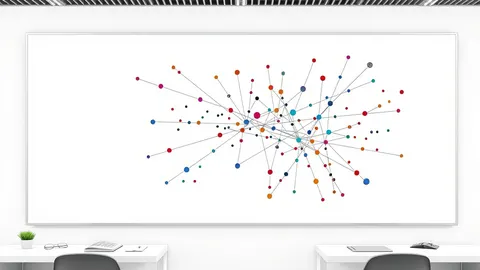
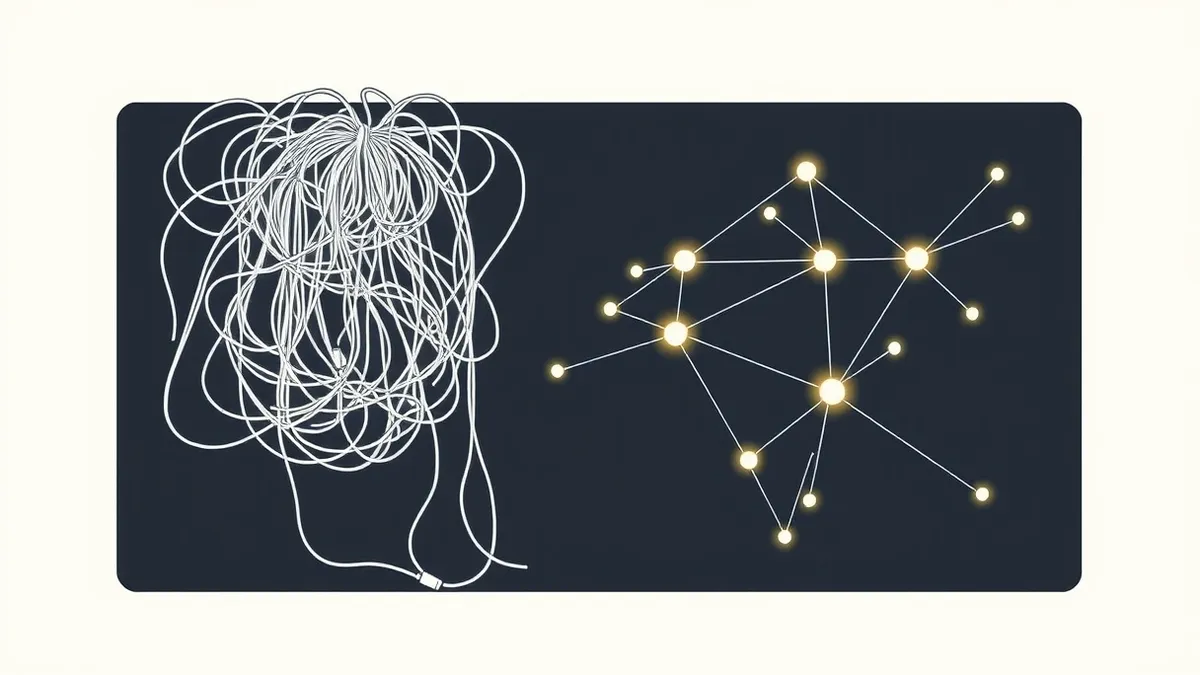
Legacy modernization requires a deep understanding of how an application’s code, data, and business rules interconnect before any rebuilding occurs, according to a report by SiliconANGLE. BotMan AI addresses this requirement by using an AI-powered migration pipeline that maps these complex relationships into a knowledge graph. This structural mapping provides the necessary context for AI agents to interpret and rebuild the system accurately.
Alejandro D’Andrea, founder and chief technology officer of BotMan, explained that providing context is more critical than raw intelligence in this process. He noted that agents must understand the specific requirements of a task to execute it correctly. The knowledge graph eliminates the need to manually explain every detail to the agent, as the system already retains the relevant business context.
By the numbers
- BotMan AI ingests entire legacy codebases at once for fully autonomous migration, according to D’Andrea.
- The system handles migration from multiple legacy platforms, including Delphi, Visual Basic, and Oracle Forms.
- Knowledge graphs map three core application components: dependencies, business logic, and data models.
What the numbers mean
The approach differs from simple code translation by focusing on re-architecting the entire application structure, according to D’Andrea. Instead of merely converting old code into a newer programming language, the system rebuilds the architecture using the contextual data stored in the graph. This allows the AI to understand the broader purpose and relationships within the application, rather than just the syntactic structure of the original code.
D’Andrea emphasized that this method supports autonomous migration by giving agents a comprehensive view of the system. The knowledge graph serves as a repository of reusable business context, which reduces the discovery work needed for subsequent queries and tasks. This efficiency allows agents to automatically identify relevant information without repeated manual input or explanation.
What to watch
Beyond traditional code migration, knowledge graphs can provide reusable context for various AI agents, according to the report. D’Andrea described how mapping relationships when information enters the system can streamline future operations. For example, a legal document can be linked to specific projects, losses, and lawsuits at the point of ingestion. This one-time mapping allows any agent assigned a task to automatically recognize relevant historical information.
Connecting unstructured information to recognizable entities offers another method for recovering business context, according to D’Andrea. This capability extends the utility of knowledge graphs beyond legacy modernization to broader enterprise data management. Security and IT teams should monitor how these contextual mappings influence data access controls and agent decision-making processes within their own environments.
What to do and how to stay safe: BotMan AI
- Audit legacy applications to identify critical business logic and data dependencies before initiating any modernization project.
- Evaluate how AI agents access and interpret contextual data to ensure they do not expose sensitive information during migration.
- Monitor vendor updates for tools that use knowledge graphs to understand how they handle unstructured data relationships.
- Review access controls for AI agents to ensure they only retrieve relevant contextual data during automated tasks.
Step-by-step guide: Detect Shadow AI: Network Logs, Process Trees and Hidden Signals
General security guidance from the Sandbox Gazette newsroom. It is not confirmed advice from the organisations named in this story.
Frequently asked questions
What technologies does BotMan AI use for legacy modernization?
BotMan AI uses an AI-powered migration pipeline that maps application dependencies, business logic, and data models into a knowledge graph, according to SiliconANGLE.
Which legacy platforms does the system support?
The system migrates code from Delphi, Visual Basic, and Oracle Forms into new architectures, according to founder Alejandro D’Andrea.
Why are knowledge graphs important for AI agents in this process?
Knowledge graphs provide reusable business context, allowing agents to automatically understand relevant information without manual explanation, according to D’Andrea.