Key points
- McKinsey employs knowledge graphs to link enterprise data with business relationships.
- These graphs provide the specific context required for enterprise AI applications.
- The approach supports decision-making by connecting data with its intended meaning.
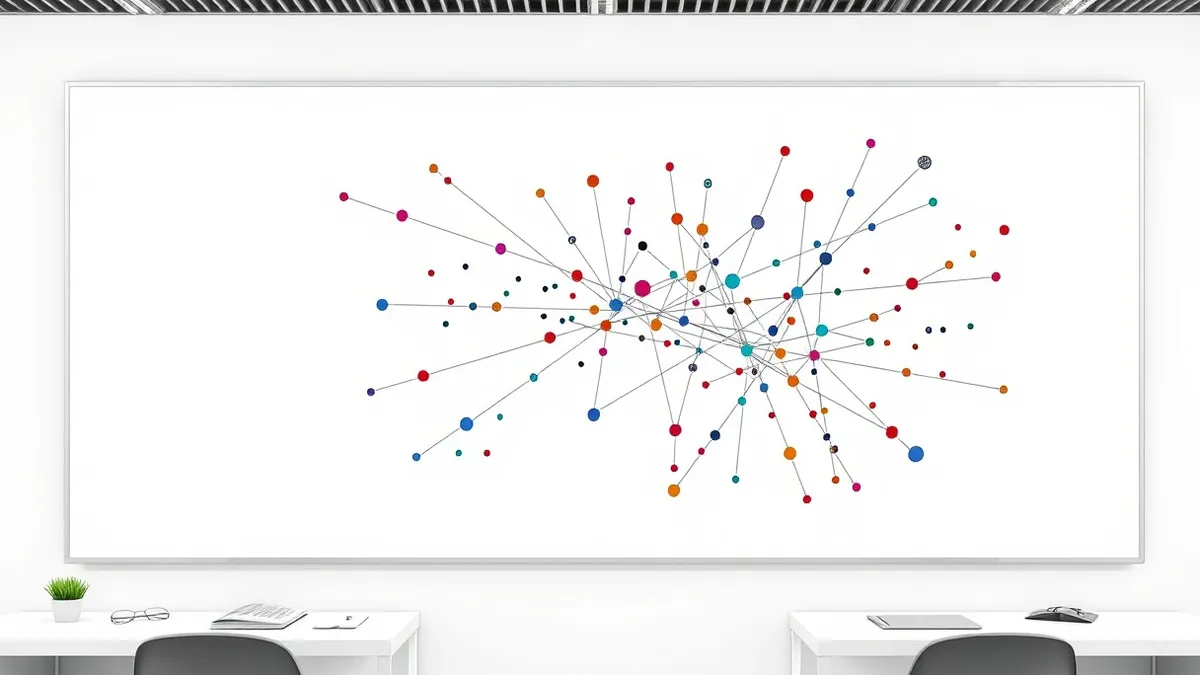
SiliconANGLE reports that McKinsey is using knowledge graphs to connect enterprise data with the business relationships needed to support decisions. This technical approach allows enterprise AI applications to access the specific context they require. The firm states that these graphs connect data with the meaning that AI systems need to function effectively.
By the numbers
- One primary method: Using knowledge graphs to connect data sources.
- Multiple daily uses: People have used graphs for years, nearly every day.
- Zero stated version numbers: The report does not specify software versions.
What the figures mean
SiliconANGLE states that many people have used graphs for years, nearly every day, though they may not have known it. This historical usage suggests that the underlying technology is not new, even if its application in enterprise AI is gaining attention. The report emphasizes that the value lies in connecting data with meaning rather than just storing data points.
McKinsey’s strategy, as described by SiliconANGLE, focuses on providing context through these connections. The knowledge graph acts as a bridge between raw enterprise data and the decisions that AI applications help support. This allows for a more structured way of handling information within complex business environments.
What to watch
SiliconANGLE notes that knowledge graphs can connect enterprise data with the meaning AI applications need. This implies that organizations looking to deploy AI may need to consider how their data is structured and related. The focus is on the relationships between data points rather than isolated entries.
The report highlights that these graphs give enterprise AI applications context. This suggests that the effectiveness of AI tools may depend heavily on the quality and completeness of the underlying knowledge graph. Organizations should monitor how well these graphs reflect actual business relationships.
What to do and how to stay safe: McKinsey
- Audit existing data structures to identify potential relationship mappings for knowledge graphs.
- Ensure that data sources are clean and consistent before integrating them into graph systems.
- Review access controls for knowledge graphs to prevent unauthorized data connections.
- Monitor AI outputs for context accuracy when using graph-based data inputs.
Step-by-step guide: Detect Shadow AI: Network Logs, Process Trees and Hidden Signals
General security guidance from the Sandbox Gazette newsroom. It is not confirmed advice from the organisations named in this story.
Frequently asked questions
What is the main benefit of using knowledge graphs for AI according to this report?
SiliconANGLE states that knowledge graphs provide the context and meaning AI applications need by connecting data with business relationships.
Have knowledge graphs been used before this McKinsey initiative?
Yes, SiliconANGLE reports that many people have used graphs for years, nearly every day, though they may not have known it.
Does the report specify which AI models McKinsey is using?
No, the report from SiliconANGLE does not name specific AI models or software versions used in this initiative.