Key points
- The US Navy committed an additional $150 million to the X-BAT autonomous fighter drone project.
- Shield AI is matching that amount with $150 million of its own capital, reaching $400 million total.
- Flight testing is scheduled for later this year, with mission capability targeted for 2028.
The US Navy has committed an additional $150 million to Shield AI’s autonomous X-BAT fighter drone project, according to a report by The Register. This new investment brings the total combined funding from the US government and Shield AI to $400 million. The company is matching the Navy’s latest contribution with $150 million of its own capital. These funds are intended to advance the aircraft toward flight testing later this year.
By the numbers
- $150 million: The additional amount committed by the US Navy to the X-BAT project.
- $400 million: The total combined funding from the US government and Shield AI for the program.
- 2028: The target year for the X-BAT to reach mission capability status.
What the figures mean
Shield AI previously secured $50 million under the Runway Independent Maritime Expeditionary Strike (RIMES) program and matched that investment. The X-BAT aircraft was unveiled at an event in Washington DC last year for military leaders. The company states the drone will enhance the lethality, survivability, and combat power of US Naval Aviation. It is designed to provide naval commanders with long-range strike assets that do not require a runway for takeoff or landing.
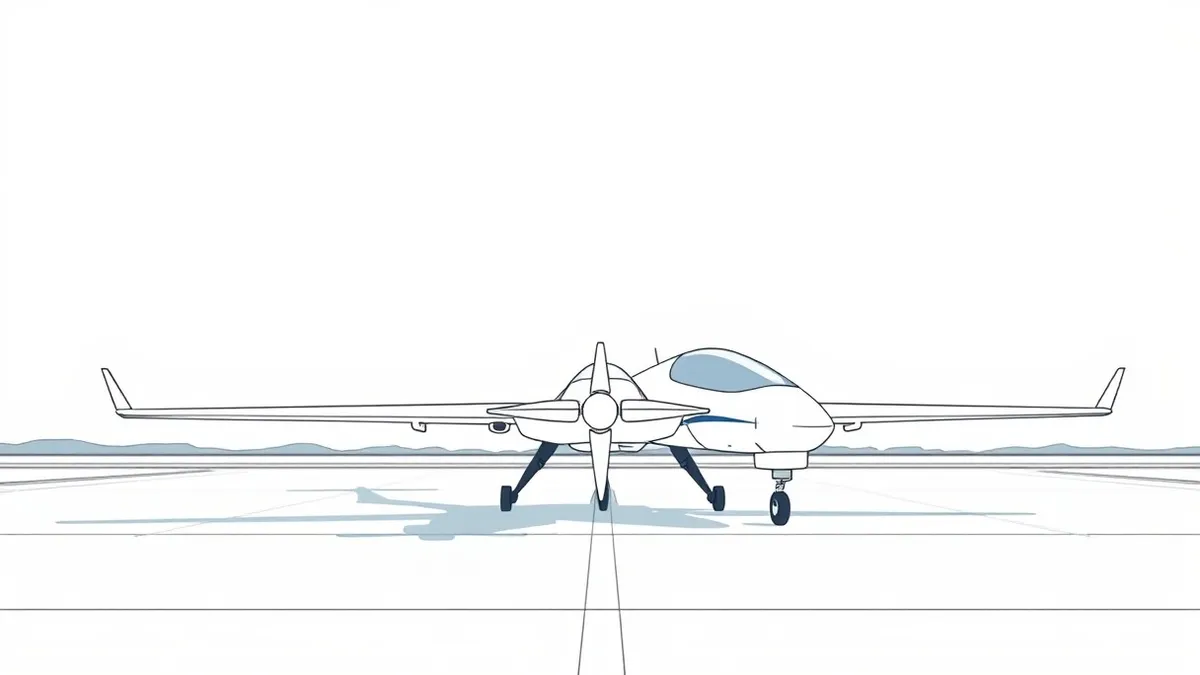
The aircraft is a 26-foot-long tail-sitter with a 39-foot wingspan. Shield AI claims it has a range exceeding 2,000 nautical miles and expects it to be capable of supersonic flight. It takes off vertically, levels off for normal flight, and lands vertically back on its launcher after completing its mission. This vertical take-off and landing capability allows operation from various vessels, including Expeditionary Sea Bases, rather than just large carriers or amphibious assault ships.
The drone will be controlled by Shield AI’s Hivemind autonomy software. This system was previously demonstrated in a modified F-16 fighter jet that engaged in dogfights against human pilots a couple of years ago. If the X-BAT enters service, it could allow the US Navy to operate combat aircraft from a wider variety of ships, expanding operational flexibility beyond the USS Gerald R. Ford and Marine Corps F-35B carriers.
What to watch
Flight testing for the X-BAT is scheduled to begin later this year. Mission capability is slated for 2028. Observers should monitor whether the aircraft meets its claimed range and supersonic flight capabilities during these tests. The success of the Hivemind autonomy software in this new vertical-takeoff platform will also be a key indicator of the program’s progress.
What to do and how to stay safe: Shield AI
- Monitor official naval procurement announcements for updates on the X-BAT flight test schedule.
- Review Shield AI’s technical disclosures regarding the Hivemind autonomy software performance.
- Track industry reports on the integration of autonomous drones with existing naval vessel infrastructure.
- Assess how vertical take-off capabilities might shift naval logistics and deployment strategies.
Step-by-step guide: Detect Shadow AI: Network Logs, Process Trees and Hidden Signals
General security guidance from the Sandbox Gazette newsroom. It is not confirmed advice from the organisations named in this story.
Frequently asked questions
How much money has the US Navy invested in the X-BAT drone so far?
The US Navy has committed an additional $150 million, bringing the total government and company funding to $400 million.
When will the X-BAT drone be ready for combat missions?
Flight testing is scheduled for later this year, with mission capability targeted for 2028.
What makes the X-BAT different from traditional fighter jets?
It is an autonomous vertical take-off and landing drone that does not require a runway, allowing operation from smaller vessels.