Key points
- CVE-2026-39919 carries a CVSS score of 9.8 out of 10.
- Artifex released Ghostscript 10.08.0 on September 8, 2026, to fix the flaw.
- The vulnerability allows unauthenticated remote code execution on servers processing PDFs.
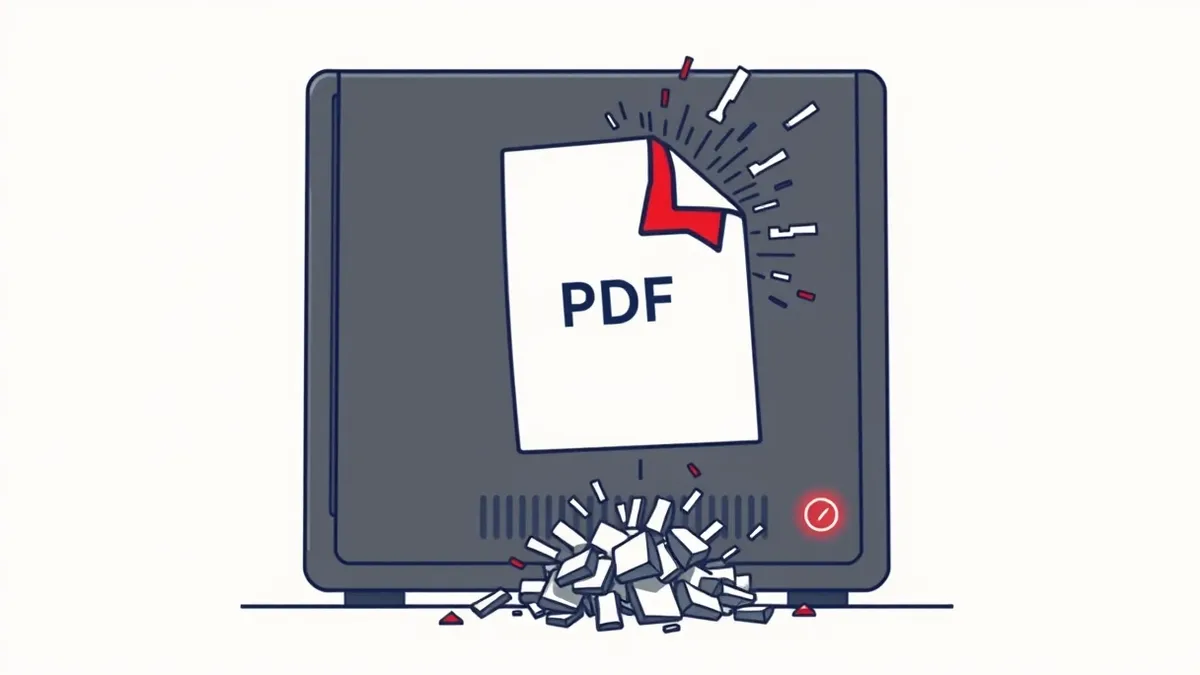
Ghostscript, a widely used program for processing PDF files, contains a critical vulnerability that attackers can exploit to take control of servers. Wordfence researchers discovered the flaw in the software that often converts uploaded PDFs into thumbnail images on web servers. The issue stems from how the program handles specific image data within document files, creating a dangerous opening for unauthorized access.
By the numbers
- 9.8: The CVSS severity score assigned to CVE-2026-39919.
- 10.08.0: The version of Ghostscript released by Artifex to patch the vulnerability.
- September 8, 2026: The date the security update was published.
What the figures mean
The high severity score reflects the ease with which an attacker can exploit this flaw without needing login credentials. According to Wordfence, a specifically crafted PDF file containing JPEG 2000 image data can cause Ghostscript to write data beyond the end of a memory buffer. This heap buffer overflow corrupts memory in a way that enables the execution of arbitrary code on the host system.
Wordfence’s Threat Intelligence team used their Wordfence Argus tool to identify and report this issue to the vendor. They demonstrated the exploit on a purpose-built WordPress test site, showing how the vulnerability could lead to unauthenticated remote code execution. The attack vector relies on the server automatically processing the uploaded document, a common feature for generating previews or thumbnails for users.
What to watch
Security teams should monitor systems that rely on Ghostscript for document processing, especially those handling user-uploaded content. The vulnerability affects the core functionality of converting PDFs, meaning any service that previews or renders these documents may be at risk if running an outdated version. While the patch has been released, many servers may still operate on older versions that lack this specific fix.
The discovery highlights the ongoing risks associated with complex file formats like PDFs. Even when a file appears benign, embedded data types such as JPEG 2000 images can trigger unexpected behavior in parsing software. Organizations must ensure their document processing pipelines are updated to handle these edge cases securely, preventing memory corruption from leading to full system compromise.
What to do and how to stay safe: Ghostscript
- Verify if your server runs Ghostscript and check its current version against the patched release.
- Restrict file upload permissions to trusted users only, reducing the surface area for malicious PDFs.
- Implement strict file type validation on upload endpoints to reject unexpected or malformed documents.
- Monitor server logs for unusual process executions that may indicate an attempt to exploit this flaw.
Step-by-step guide: Patch Management Implementation: A Step-by-Step Rollout Plan
General security guidance from the Sandbox Gazette newsroom. It is not confirmed advice from the organisations named in this story.
Frequently asked questions
What is CVE-2026-39919?
It is a critical heap buffer overflow vulnerability in Ghostscript that allows remote code execution via crafted PDFs.
Which version fixes this issue?
Ghostscript version 10.08.0, released by Artifex on September 8, 2026, addresses this vulnerability.
How was the vulnerability discovered?
The Wordfence Threat Intelligence team found it using the Wordfence Argus tool and reported it to the vendor.