Key points
- NVIDIA is developing Boro, a command-line interface for kernel development.
- The tool is written in Rust and focuses on local AI processing.
- Boro aims to enhance efficiency for developers working on Linux kernels.
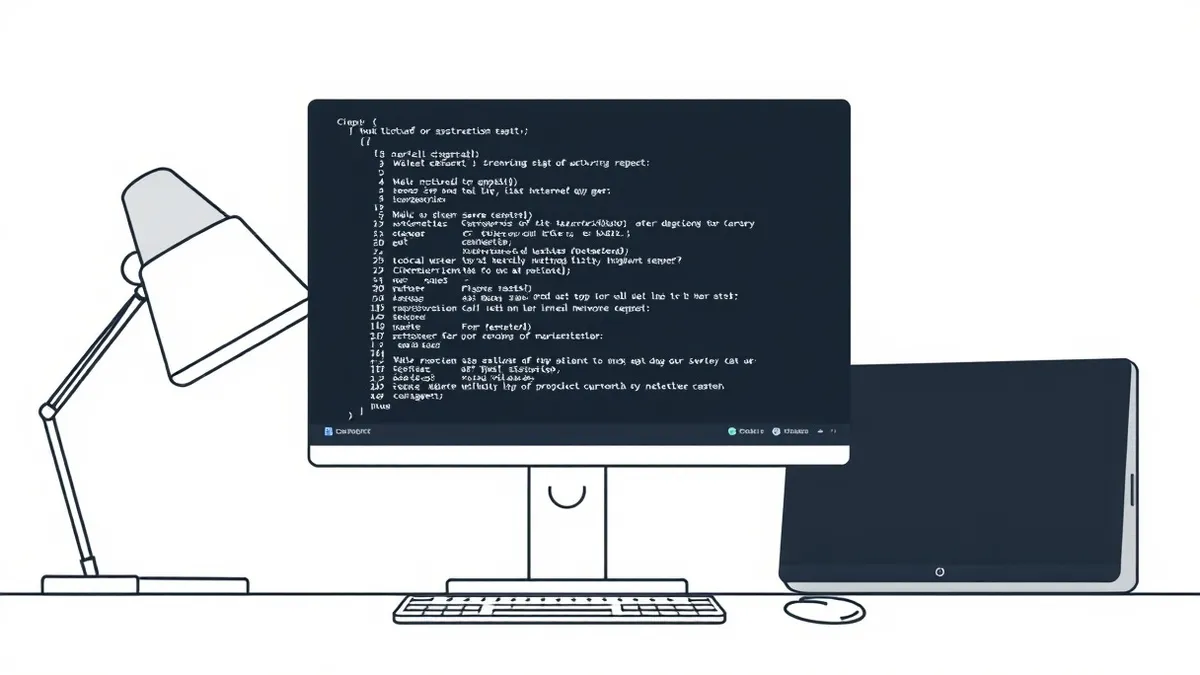
NVIDIA is developing a new command-line interface called Boro to assist with Linux kernel development, according to a report by Phoronix. The tool is written in Rust and utilizes artificial intelligence to streamline the development process. NVIDIA has been working on Boro for several months, focusing on integrating local AI capabilities directly into the developer workflow. This approach centers on using local AI to enhance efficiency for kernel development tasks. The project represents a shift toward more localized tooling for low-level system programming, as described in the Phoronix report.
By the numbers
- Several months: The duration NVIDIA has spent developing the Boro CLI tool.
- One primary language: Rust is the programming language used to write Boro.
- One core focus: Local AI processing for kernel development assistance.
What the figures mean
The multi-month development timeline suggests NVIDIA is prioritizing a stable, well-integrated solution rather than a quick prototype. By choosing Rust, the team is leveraging features associated with that language for kernel-level tools. The emphasis on local AI indicates a design choice to keep AI processing within the local environment, as stated in the source material. This architecture aligns with the goal of enhancing efficiency for kernel development. The focus on local AI distinguishes Boro from tools that might rely on remote processing, according to the Phoronix summary.
What to watch
Security teams should monitor how Boro handles code during its local processing phase. The integration of AI models into kernel development workflows introduces new considerations for development environments. Developers should observe whether the tool requires any external connections for model updates or telemetry. The evolution of Boro’s feature set will also indicate how deeply AI will be embedded in future Linux kernel development practices. If NVIDIA expands Boro’s capabilities, it may influence how other vendors approach AI-assisted system programming.
What to do and how to stay safe: NVIDIA
- Review the source code of any new AI-assisted development tools before integrating them into your build pipeline.
- Ensure that local AI tools run in isolated environments to prevent unintended data exfiltration.
- Monitor the tool’s network activity to confirm it operates strictly offline as advertised.
- Evaluate the memory safety guarantees of tools written in Rust for your specific kernel version.
Step-by-step guide: Detect Shadow AI: Network Logs, Process Trees and Hidden Signals
General security guidance from the Sandbox Gazette newsroom. It is not confirmed advice from the organisations named in this story.
Frequently asked questions
Is NVIDIA’s Boro tool open source?
The source material does not state that Boro is an open-source project.
What programming language is Boro written in?
Boro is written in Rust.
How does Boro assist developers?
It uses local AI to enhance efficiency in Linux kernel development.