Key points
- Meta Muse launched September 8, with OpenAI Dots arriving three weeks later in ChatGPT.
- Muse offers a $20 monthly tier, while Dots require a $100 minimum subscription.
- Both agents run on dedicated cloud computers and operate independently after user initiation.
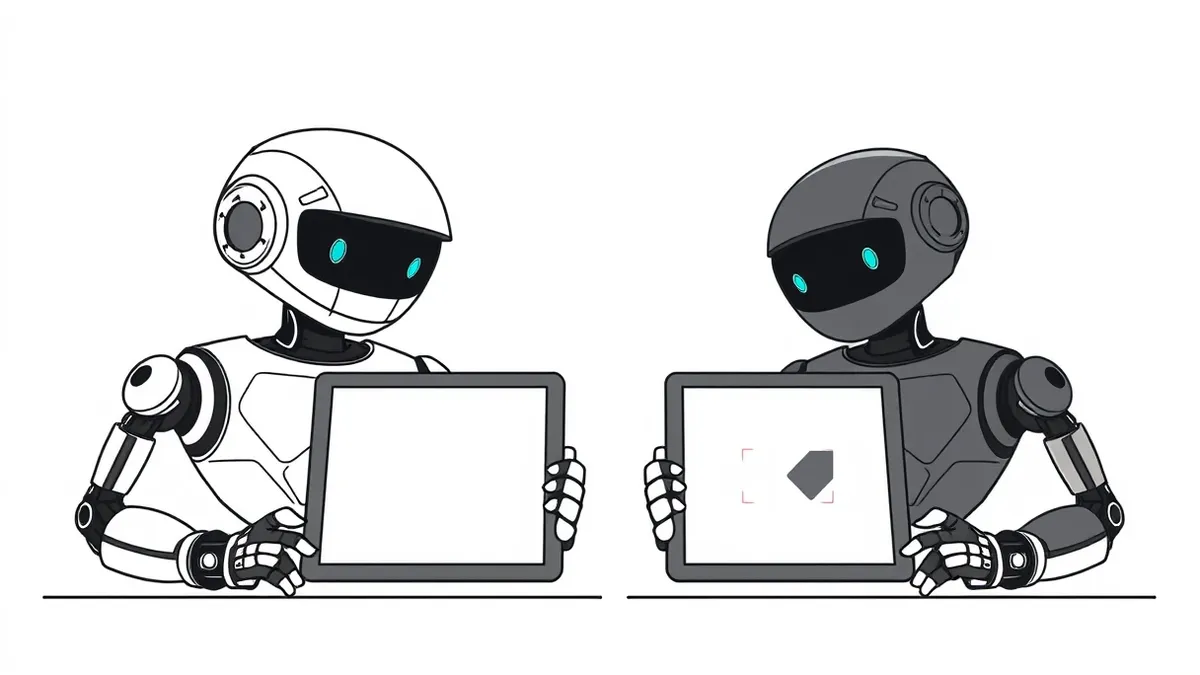
Meta released Muse on September 8, establishing a baseline for autonomous digital assistance. OpenAI followed three weeks later by introducing Dots within its ChatGPT platform. According to Engadget, both systems are designed to continue working after the user disengages, utilizing their own cloud computing resources and connecting to external services. This shift moves AI interaction beyond simple prompt-response cycles toward persistent task execution and background processing for complex workflows.
By the numbers
- $20: Monthly cost for Meta Muse Power tier.
- $100: Monthly cost for Meta Muse Maximum tier and OpenAI Pro 100.
- 3 weeks: Time gap between Muse launch and OpenAI Dots availability.
What the figures mean
The pricing structures reveal a significant barrier to entry for OpenAI’s offering. Meta’s free tier includes usage caps, but its paid Power and Maximum tiers start at $20 and $100 per month. In contrast, individual users must subscribe to OpenAI’s Pro 100 plan, costing $100 monthly, to access Dots. Engadget reports that this makes Muse considerably cheaper for initial trials, though both platforms require careful consideration of privacy controls and data handling permissions for users.
Functionally, the agents differ in their integration environments and operational interfaces. Muse operates on a dedicated Secure Virtual Machine with its own browser, designed to mimic messaging interactions. Users can access it through dedicated apps, the web, or WhatsApp. Engadget notes that Muse successfully organized saved Instagram and Facebook posts into recipe and restaurant collections during hands-on testing. It connects to email and calendar services to enhance its utility for personal and professional task management.
OpenAI’s Dots are deeply integrated into the ChatGPT ecosystem, powered by GPT-6 Astra. Each Dot possesses its own cloud computer and can utilize connected plugins while retaining relevant context. According to Engadget, Dots can manage ongoing research, work across linked applications, and perform recurring tasks. OpenAI is closely integrating these agents with ChatGPT, Work, and Codex products, allowing users to grant Dots access to local computers for file retrieval and internet browsing.
What to watch
Despite their autonomous capabilities, both agents require active supervision and have inherent limitations. Meta states that Muse requests permission before executing sensitive actions, such as sending emails or completing purchases. OpenAI employs permissions, Custom Rules, and Auto-review mechanisms to restrict what Dots can accomplish. Engadget highlights that both companies caution users that these agents can make mistakes, necessitating human oversight for critical operations and data integrity.
External service restrictions also impact agent functionality. Amazon has already blocked Muse from conducting shopping activities on its site. OpenAI plans to enable users to manage multiple Dots simultaneously. Security teams should monitor how these agents interact with corporate applications and whether existing identity and access management controls can effectively govern their permissions.
What to do and how to stay safe: Meta
- Review current identity and access management policies to determine how persistent AI agents should be granted or denied access to sensitive corporate applications and data repositories.
- Establish clear guidelines for human oversight of automated tasks, ensuring that sensitive actions like financial transactions or external communications require explicit user confirmation before execution.
- Monitor external vendor policies regarding AI agent access, as platforms like Amazon may block or restrict autonomous interactions, potentially disrupting workflow automation strategies.
- Test agent permissions in isolated environments before broad deployment to verify that Custom Rules and permission boundaries function as intended and prevent unauthorized data access.
Step-by-step guide: Detect Shadow AI: Network Logs, Process Trees and Hidden Signals
General security guidance from the Sandbox Gazette newsroom. It is not confirmed advice from the organisations named in this story.
Frequently asked questions
What is the price difference between Meta Muse and OpenAI Dots?
Meta Muse starts at $20 per month for the Power tier, while OpenAI Dots require a minimum subscription of $100 per month via the Pro 100 plan.
Do these AI agents work without user supervision?
No, both Meta and OpenAI state that their agents can make mistakes and require supervision, with systems in place to request permission for sensitive actions.
Can Meta Muse shop on Amazon?
No, Amazon has blocked Meta Muse from performing shopping activities on its site, limiting the agent's autonomous capabilities on that platform.