Key points
- China plans a $3.9 trillion grid expansion through 2049.
- Approximately 9 percent of renewable output was wasted in 2026.
- The strategy aims to convert excess energy into an AI advantage.
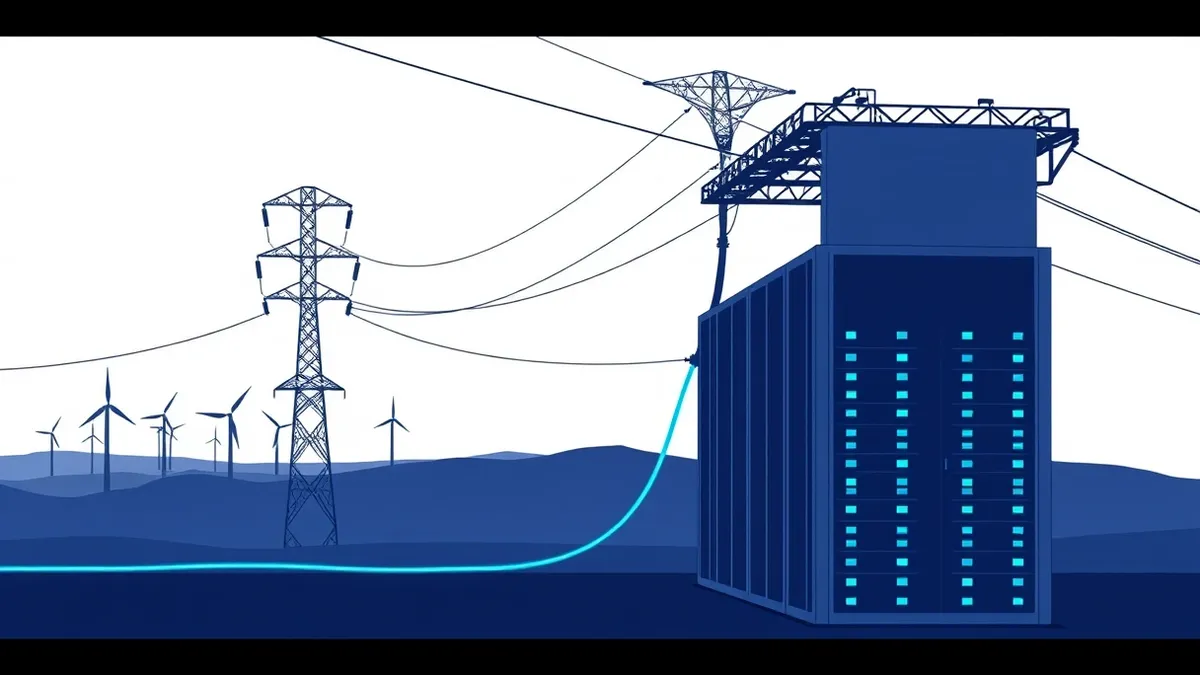
A technical report published by Techmeme examines China’s strategy to transform surplus renewable energy into a competitive edge for artificial intelligence. The analysis relies on data from Bloomberg, which highlights the scale of the country’s green-energy initiatives. The plan involves a massive infrastructure overhaul designed to address current inefficiencies in power distribution and utilization.
By the numbers
- $3.9 trillion is the estimated cost of the grid buildout through 2049.
- 9 percent of renewable energy output was wasted in 2026.
- 2049 is the target completion year for the proposed grid expansion.
What the figures mean
The $3.9 trillion figure represents the total investment required for the grid expansion planned through 2049. This capital allocation is intended to support the growing energy demands of AI infrastructure while simultaneously addressing waste in the renewable sector. The scale of this financial commitment underscores the strategic importance Beijing places on both energy security and technological advancement in the AI sector.
The 9 percent waste rate recorded in 2026 indicates a significant inefficiency in the current renewable energy system. According to the source material, this wasted output primarily consists of excess wind and solar generation that cannot be effectively stored or distributed. The proposed grid upgrades aim to capture this surplus energy, redirecting it toward high-demand applications such as AI data centers rather than letting it go unused.
This approach links environmental policy directly with technological competition. By converting what was previously considered waste into a resource for AI capacity, the plan seeks to create a sustainable energy model. The report suggests that this integration could provide a substantial advantage in the global race for AI dominance, leveraging existing renewable assets more efficiently.
What to watch
Security operations teams should monitor how these energy shifts impact data center resilience. Changes in grid infrastructure can introduce new vulnerabilities or alter availability patterns for critical computing resources. Understanding the physical layer of energy supply is essential for comprehensive risk assessment in regions undergoing such massive infrastructure changes.
The timeline through 2049 indicates a long-term strategic shift rather than an immediate operational change. However, the gradual implementation of these grid upgrades may affect energy pricing and availability in the interim. Teams should stay informed about regulatory changes and infrastructure developments that could influence their own operational continuity and supply chain stability.
The focus on AI capacity suggests that energy-intensive workloads will remain a priority for national infrastructure planning. This trend may influence where new data centers are built and how they are powered. Security professionals should consider these macro-level trends when evaluating long-term risks and opportunities in their own technology stacks and vendor relationships.
What to do and how to stay safe: China
- Review energy supply contracts for clauses related to grid stability and outages.
- Assess data center locations for exposure to regional infrastructure changes.
- Monitor vendor communications regarding power management and efficiency updates.
- Update business continuity plans to account for potential energy market shifts.
Step-by-step guide: Detect Shadow AI: Network Logs, Process Trees and Hidden Signals
General security guidance from the Sandbox Gazette newsroom. It is not confirmed advice from the organisations named in this story.
Frequently asked questions
How much is China spending on its grid expansion?
China plans to spend $3.9 trillion on the grid buildout through 2049.
What percentage of renewable energy was wasted in 2026?
Approximately 9 percent of renewable output was wasted in 2026.
What is the goal of this grid expansion?
The goal is to turn excess wind and solar energy into an AI advantage.